







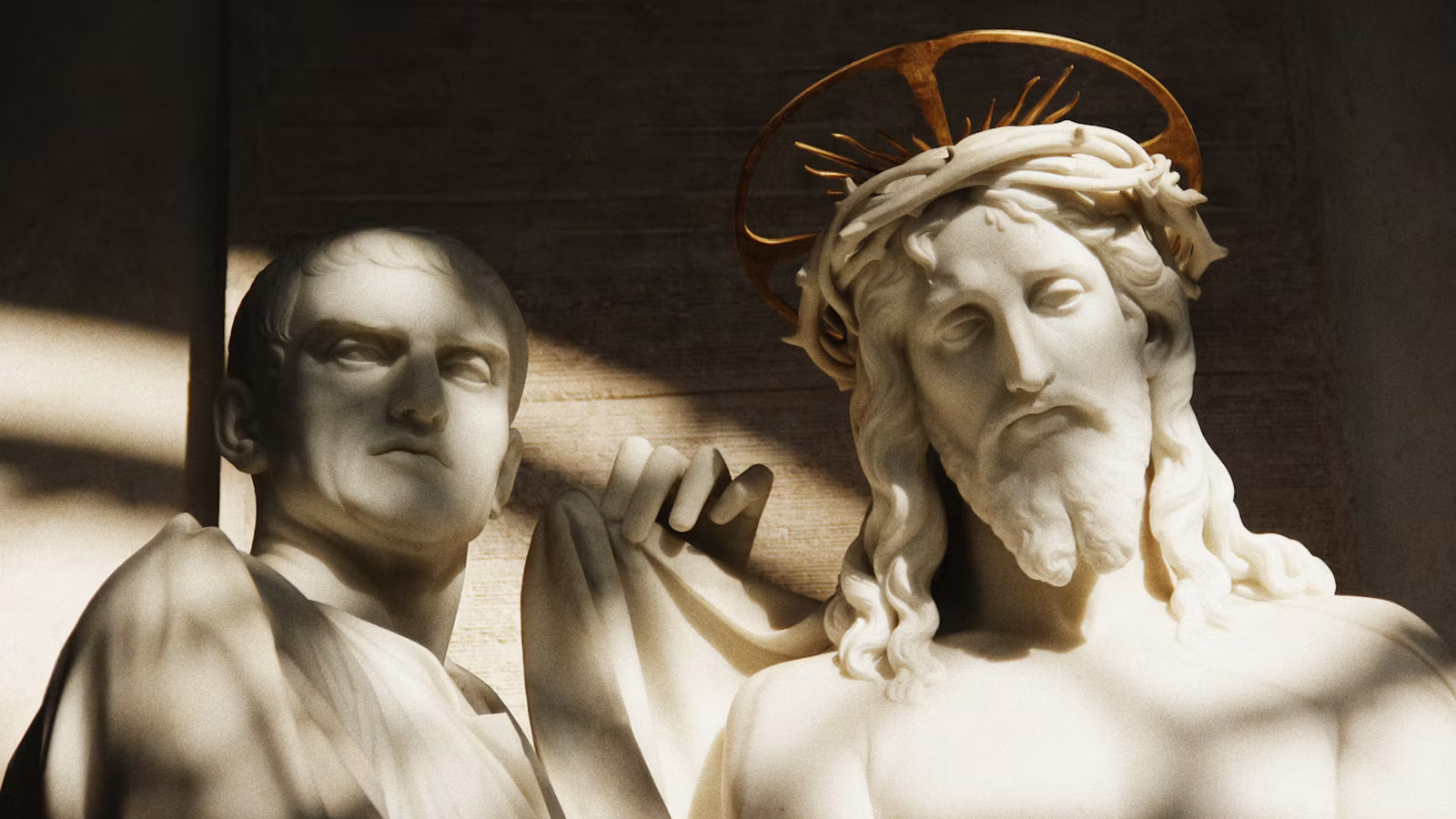



Identity, meaning, and suffering are not abstract philosophical ideas; they are lived realities that shape every choice we make. We build our sense of self from the stories we accept about who we are, where we came from, and the nature of our purpose. When suffering crashes into those stories—through betrayal, loss, injustice, or failure—it exposes whether our identity rests on something solid or something fragile. In that moment, the question is not just “Why is this happening?” but “Who am I now that this has happened?”
But here’s the good news for Christ followers: An identity rooted in Jesus can carry the full weight of life’s pain without collapsing into despair or hardening into bitterness.
Modern culture encourages us to construct our identity from within: “Be true to yourself,” “Follow your heart,” “Define your own truth.” That sounds empowering until the self being followed is wounded, confused, or enslaved to destructive desires. When life is going well, a self‑constructed identity feels strong because it is propped up by success, affirmation, and comfort. When suffering arrives, however, that same identity buckles under pressure. If our worth is built on being desirable, what happens when we are betrayed or abandoned? If it is built on competence and achievement, who are we after a career failure or health crisis? If it is built on being “the good person,” who are we when our own sin is finally exposed?
Suffering reveals whether our identity was anchored in something unshakable or in something that can be taken in a moment.
The Christian story offers a radically different foundation: identity received, not achieved. Scripture describes followers of Jesus as adopted children of God, forgiven sinners, new creations, and co‑heirs with Christ. Those are not titles earned by performance; they are gifts granted by grace. That means our deepest identity is no longer determined by past failures, present circumstances, or future uncertainties. Suffering can still be agonizing, but it cannot rewrite who we are in Christ. Our worth is not up for renegotiation with every heartbreak, diagnosis, or disappointment. Instead of asking, “How do I reinvent myself after this?” as Christians we can say, “This hurts deeply, but it does not change who I am, who I belong to, or where my story is ultimately headed.”
This anchored identity reshapes the way meaning is found in suffering.

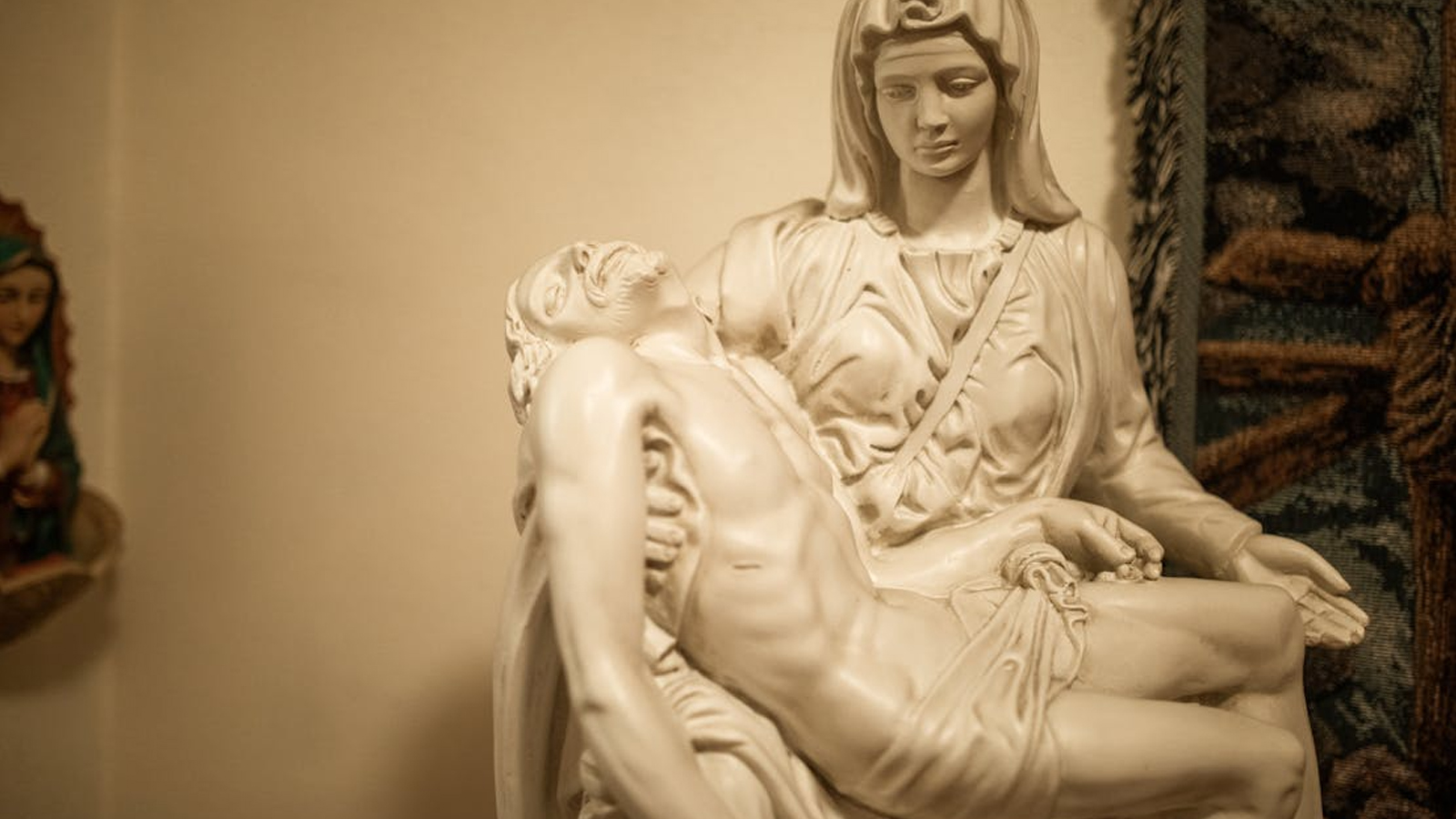
Apart from God, pain is either random or simply something to be avoided at all costs. The best we can do is anesthetize it, distract from it, or try to extract a few life lessons before moving on. But as Christians we ought to know that suffering is never meaningless, even when its specific reasons are hidden. God is not the distant observer of human pain; the heart of the gospel is a suffering Savior who stepped into injustice, betrayal, physical torment, and death. That reality does not answer every “why,” but it does answer a more urgent question: “Is God with me in this?”
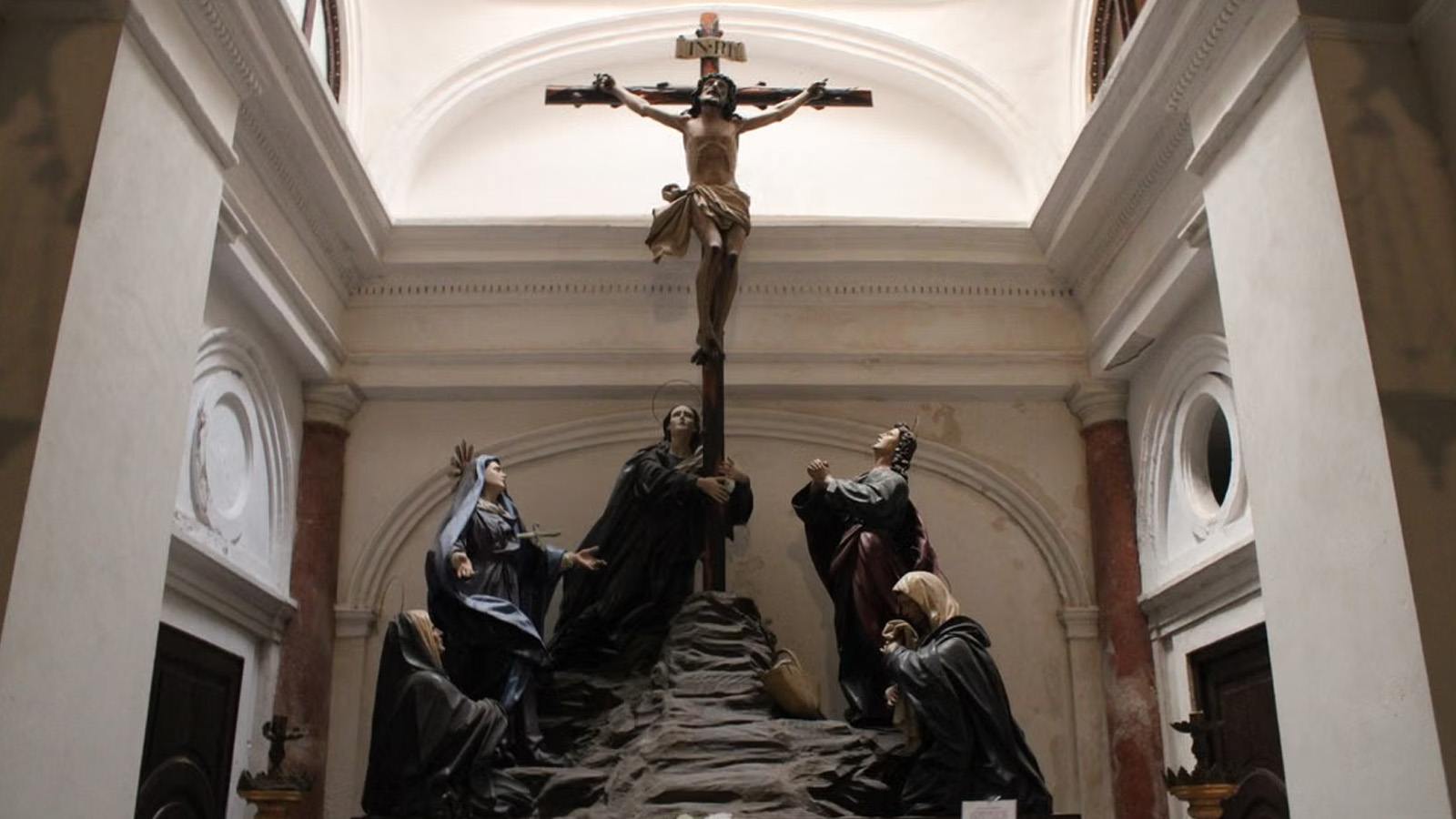
The cross says yes.
It also means that God can and does use suffering to refine character, detach hearts from false gods, deepen compassion, and draw us into a more honest dependence on Him.
Don’t get me wrong, Christian hope does not pretend that trauma, loss, or abuse are “no big deal.” It faces evil for what it is and names it clearly. Yet it refuses to grant suffering the final word. When our identity rests in Christ and our meaning is tethered to a larger story of redemption, even the darkest chapters are held within a narrative that ends in restoration. Tears are still real, but they are not wasted. Wounds remain, but they become scars that testify to the faithfulness of God rather than monuments to permanent defeat. Shaped by this kind of hope, we can talk honestly about what has been done to us or by us, without being entirely defined by it.
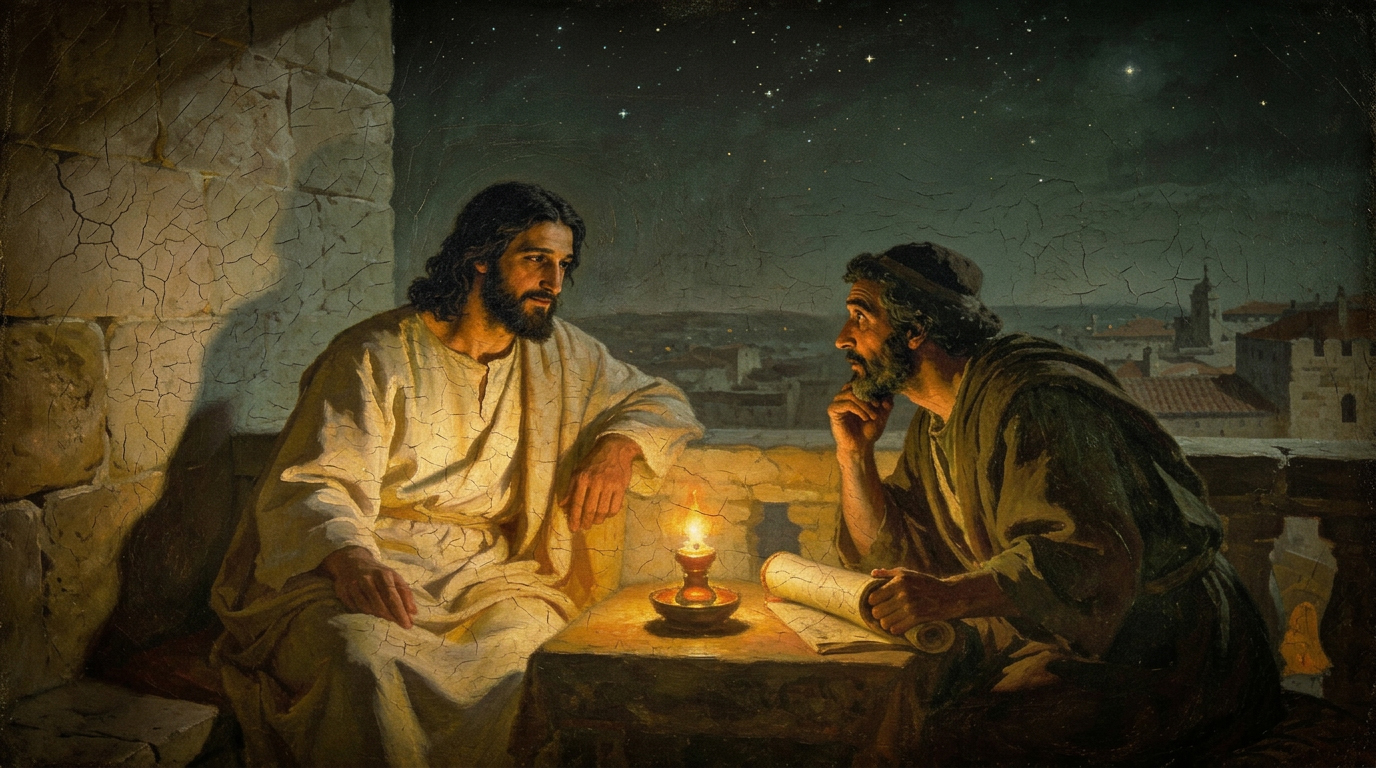
For those of us who are suffering right now, the invitation is not to minimize the pain or to manufacture fake positivity. The invitation is to bring that pain to the One who knows what it is to be misunderstood, rejected, and crucified, and to let Him redefine identity at the deepest level. That may begin with a simple, honest prayer: “Lord, everything feels shattered, but if You say I am Yours, teach my heart to believe it.” Over time, as that identity takes root, meaning emerges even in the midst of unresolved questions. We can begin to see that our story is not just about what we have lost, but about how God is present with us in the loss and is weaving even this chapter into a larger, eternal good.
In that sense, our identity in Christ does not erase suffering, but it does transform it – from something that threatens to destroy us into something that, mysteriously, can drive us deeper into the healing love of God.
For more information on this topic, watch my interview with Thinking Matters.
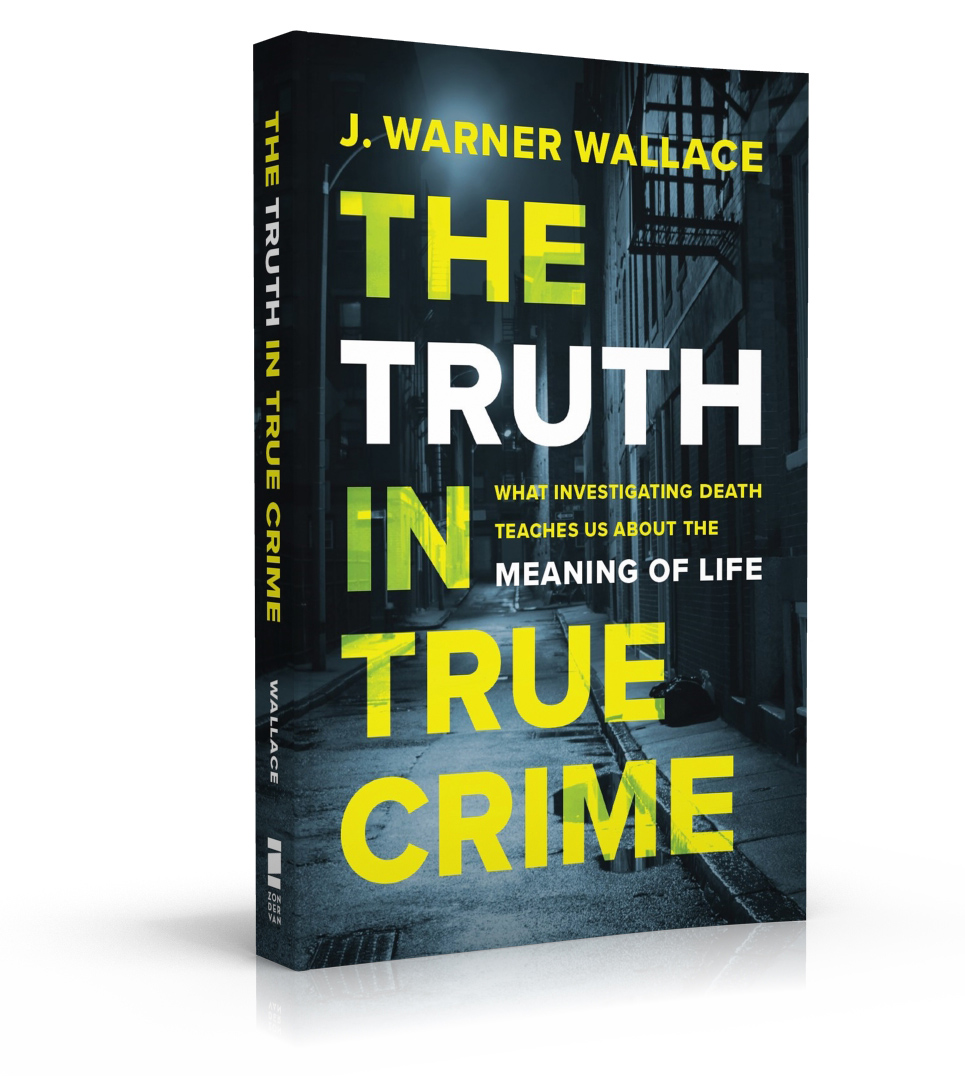 For more information about how to flourish based on secular research and the ancient wisdom of the bible, please read The Truth in True Crime; What Investigating Death Teaches Us About the Meaning of Life. This book teaches readers 15 rues for life, recognized in murder investigations. It also makes a case for the reliability of the Bible from Biblical anthropology. The book is accompanied by a sixteen-session Truth in True Crime Video Series (and Participant’s Guide) to help individuals or small groups examine the evidence and make the case.