














If you want to know what someone actually believes, don’t listen to what they say. Look at the evidence. In homicide investigation, we follow the money. In cases of identity theft, we examine financial records. And if you want to know where a person’s real identity lives—not the identity they claim—check their receipts.
Seriously.
Many of us claim to be Christians. We say our identity is “in Christ.” But here’s the uncomfortable truth: the word “Christian” appears only three times in the entire New Testament. Instead, Paul consistently describes believers as being “in Christ.” John uses the expression, “in him.” The core question isn’t whether you wear the label—it’s whether your true identity is rooted there. You could argue that if your identity isn’t truly in Christ, you may not actually be a Christian at all, regardless of what you claim. You could argue that if your identity isn't truly in Christ, you may not actually be a Christian at all, regardless of what you claim. Share on X
So, let me ask the question I’m often asking myself: Is my identity really in Christ? Not in theory, but in practice. Not in words, but in evidence. Here’s how I think we can investigate this. When I want to know what someone truly values, I don’t rely on their testimony. I examine three pieces of evidence:
First: Your Spending Habits. Everyone pays their bills. That’s mandatory. But then you have disposable income (money you can spend any way you want), where does it go? Look at your bank and credit card statements. I can tell you with remarkable accuracy where your identity really lives by seeing where your discretionary money flows. If you say your identity is in Christ but your receipts show it’s in golf, shopping, restaurants, entertainment, or status symbols, there’s a mismatch between your confession and your evidence.
Second: Your Thoughts. If I could scan your mind during downtime – when you’re not working, not obligated to think about anything specific – what occupies your thoughts? What do you daydream about? What’s the first thing your mind goes to when you’re alone? Your identity lives in whatever your mind gravitates toward naturally. If you’re consistently thinking about your career, your relationship, your appearance, or your reputation, that’s where your identity is.

Third: What Makes You Angry. This is the most revealing evidence. What gets under your skin? What makes you defensive? What lights your fuse immediately? The things that trigger your anger fastest are usually the things you’ve made central to who you are. If someone attacks your reputation, your relationship, your competence, or your possessions, and you explode with rage—that’s forensic evidence that your identity is wrapped up in those things, not in Christ.
In years of analyzing human behavior, I’ve noticed that when people place their identity in something other than Christ, it typically falls into three categories: sex, money, and power.
These aren’t inherently evil. God created all three as good gifts. But we have a tendency to overemphasize them, making them the most important thing in our lives. That’s idolatry. And when your identity is tangled up in any of these three, your whole sense of self becomes fragile—dependent on circumstances you can’t ultimately control.
I’ll be transparent: I’ve struggled with this personally. For years, I’ve acknowledged that marriage is my idol. I’ve been with my wife for decades, and I admit there were (and still are) times I think I could sooner live without God than without her. That’s idolatry. That’s what it sounds like when something good becomes the “goodest thing.” When you’re more identified as someone’s spouse than as a child of God, you have a priority problem.
The evidence is clearer than you might think. If your identity were truly in Christ, it would show up in your receipts, your thoughts, and your reactions. Your life would reflect a different set of priorities.
So, here’s the question only you can answer: What does the evidence reveal about where your identity lives? Because unlike in a courtroom, you can’t argue with the receipts.
For more, listen to the podcast where I discuss this topic deeply:
Here is the audio podcast (the Cold-Case Christianity Weekly Podcast is located on iTunes or our RSS Feed):
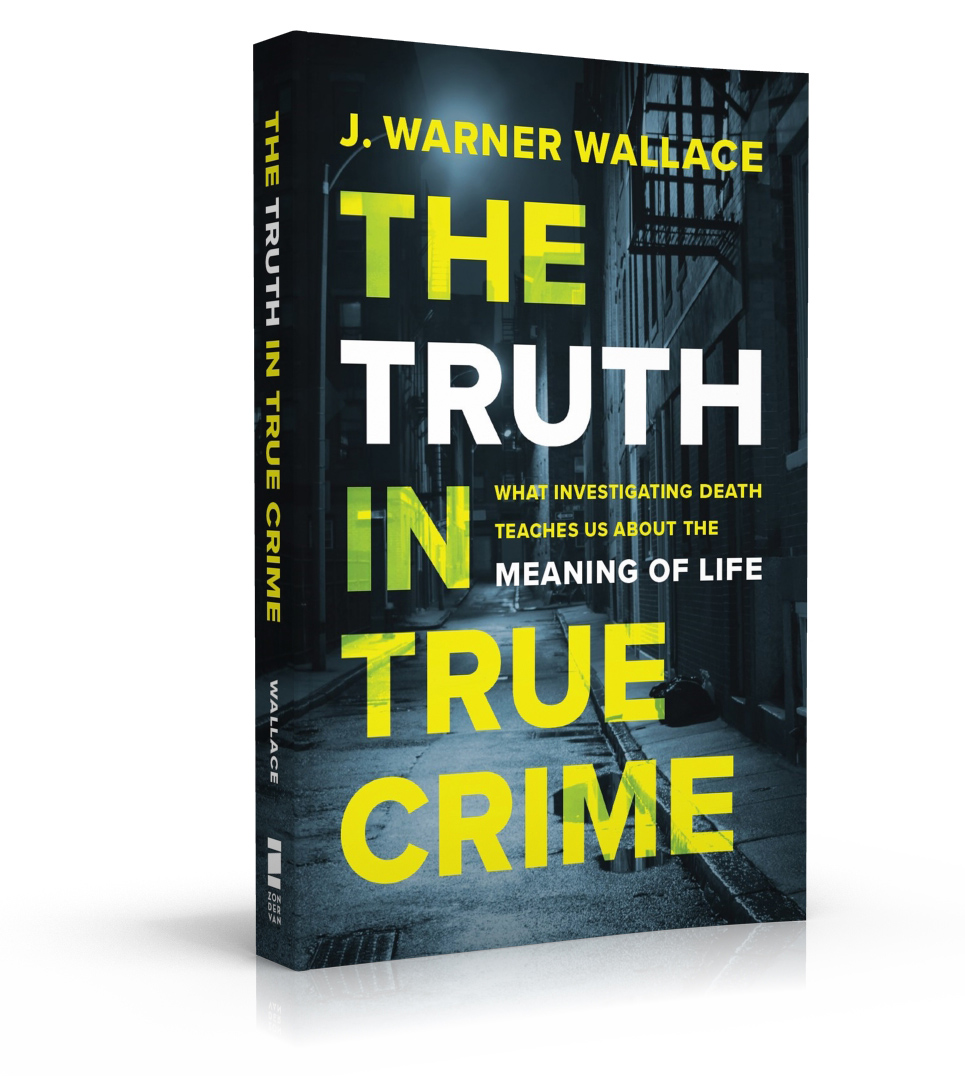 For more information about how to flourish based on secular research and the ancient wisdom of the bible, please read The Truth in True Crime; What Investigating Death Teaches Us About the Meaning of Life. This book teaches readers 15 rues for life, recognized in murder investigations. It also makes a case for the reliability of the Bible from Biblical anthropology. The book is accompanied by a sixteen-session Truth in True Crime Video Series (and Participant’s Guide) to help individuals or small groups examine the evidence and make the case.