








Faith is not supposed to be blind, reckless, or detached from reality. In this episode, J. Warner Wallace (cold-case detective and Christian apologist) takes a hard look at the way many Christians think about “faith” and shows why some popular versions of faith are not just weak—they’re dangerous to the church. He explains the difference between unreasonable faith, blind faith, and reasonable (forensic) faith, and why only one of these is actually biblical.
Drawing on years of courtroom experience, Jim unpacks how juries reach verdicts “beyond a reasonable doubt” and why that same standard makes sense for the Christian worldview. He addresses why so many churches avoid apologetics, how “just have faith” can become a license for intellectual laziness, and why that’s leaving our kids vulnerable to every counterfeit worldview that comes along. He also tackles commonly misused passages like Hebrews 11 and the story of “Doubting Thomas” to show that Scripture consistently presents a thoughtful, evidential faith—one that welcomes investigation rather than fleeing from it.
If you’ve ever felt like the only person in your church who cares about evidence, or you’ve struggled with the idea that faith means shutting off your brain, this episode will help you reframe biblical faith as a reasoned trust grounded in what God has already revealed in history. The Cold-Case Christianity Weekly Podcast is located on iTunes or our RSS Feed:
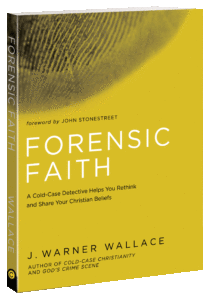 For more information about the nature of Biblical faith and a strategy for communicating the truth of Christianity, please read Forensic Faith: A Homicide Detective Makes the Case for a More Reasonable, Evidential Christian Faith. This book teaches readers four reasonable, evidential characteristics of Christianity and provides a strategy for sharing Christianity with others. The book is accompanied by an eight-session Forensic Faith DVD Set (and Participant’s Guide) to help individuals or small groups examine the evidence and make the case.














Marcella Z Hernandez
May 8, 2026 at 7:30 pm
After carefully listening to this podcast I finally understand how you believe even without having 100% evidence. I have been waiting to get it; it has held me back from fully accepting Christ. I have wasted many years. I was desparate to believe bult didn’t know how. Now I understand that we don’t have evidence for everything; such as your example of how a pen works. Having the Dead Sea scrolls, Josefas, archeology, how people change with belief, are enough for me; especially because I WANT and NEED to believe. Thank you!