



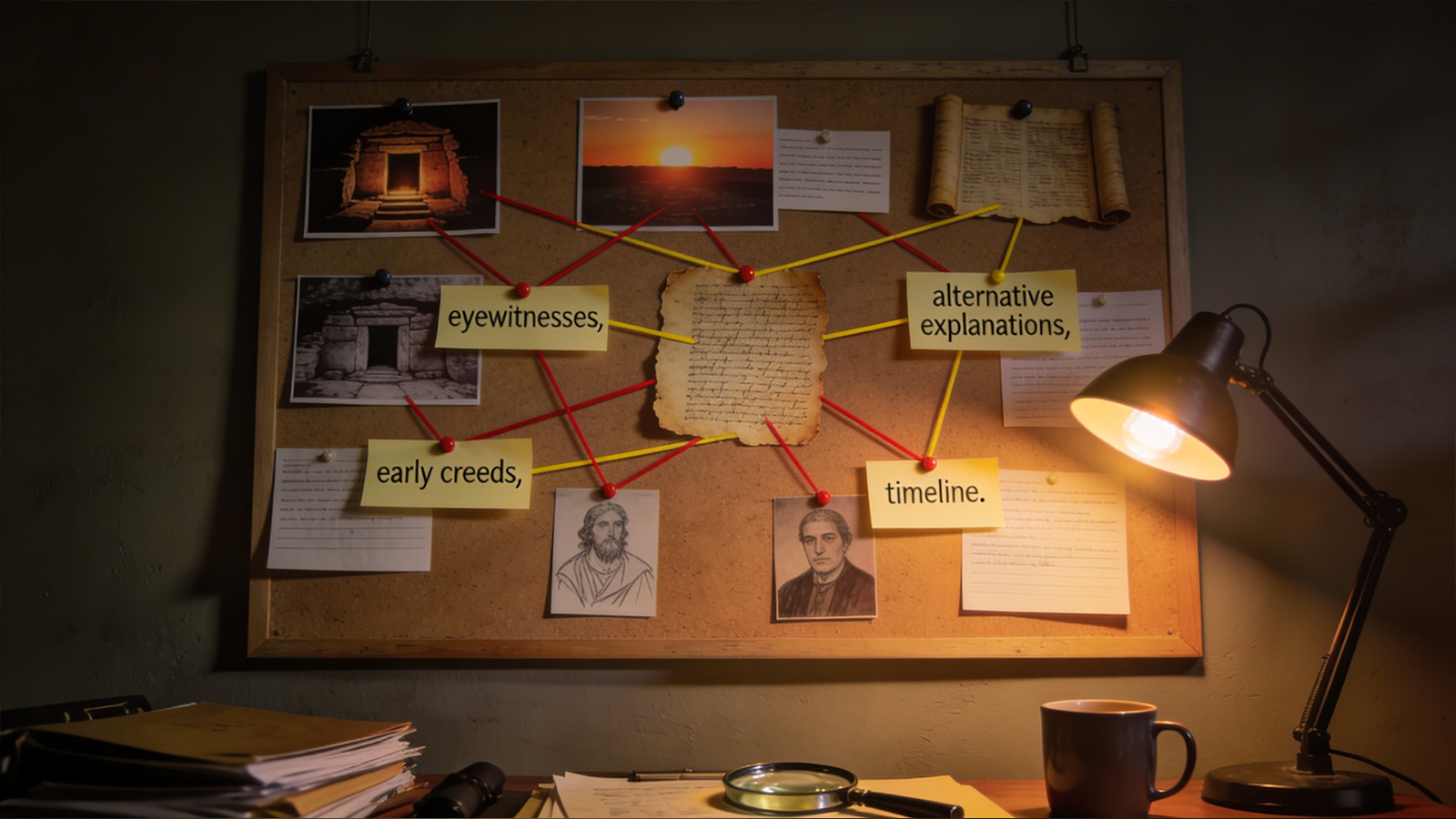






When it comes to investigating the truth of Christianity, we often need to take two distinct but connected steps—moving from belief in a God to belief in the God revealed through Jesus Christ. I’ve spent years thinking about how that process unfolds, and the best way I can describe it is through the same methodology I used when I investigated death scenes as a detective.
When we walk into a death scene, there are four basic ways someone can die. They can die naturally, accidentally, by suicide, or by homicide. The first question we ask at the scene is whether we can account for everything inside the room without going outside of it. If everything in the room can be explained by staying within it—the gun is his, there’s a suicide note, no signs of forced entry—then it’s likely a suicide. But if something in that room points to a cause beyond it, like footprints leading away or a weapon that doesn’t belong to the victim, we’re forced to go outside the room for our explanation. That’s when we start thinking homicide.
Now, that same investigative principle applies to the universe itself. When we look at the “room” of the natural world—space, time, matter, physics, and chemistry—we have to ask, “Can everything we observe be explained by staying inside the natural room?” The clear answer is no. Certain things—like the origin of the universe, the fine-tuning of cosmic conditions, moral laws, consciousness—point beyond the limits of space and time. They require us to step outside the natural order for an adequate explanation. That’s when we begin to detect an “intruder” in the cosmic scene—a cause beyond nature itself. That pushes us toward theism: the belief that a supernatural Creator exists.
But here’s the challenge: once we’ve crossed that threshold into belief in God, we haven’t yet arrived at Christianity. The case for theism, strong as it is, could also apply to Islam, Judaism, or any number of theistic systems. The evidence for a transcendent Creator doesn’t automatically identify which God is the true one. Some of the traits we discover about this Creator are consistent with the God of the Bible—powerful, intentional, moral—but evidence for a divine Creator alone doesn’t make the case for Jesus. The evidence for a transcendent Creator doesn’t automatically identify which God is the true one. Share on X
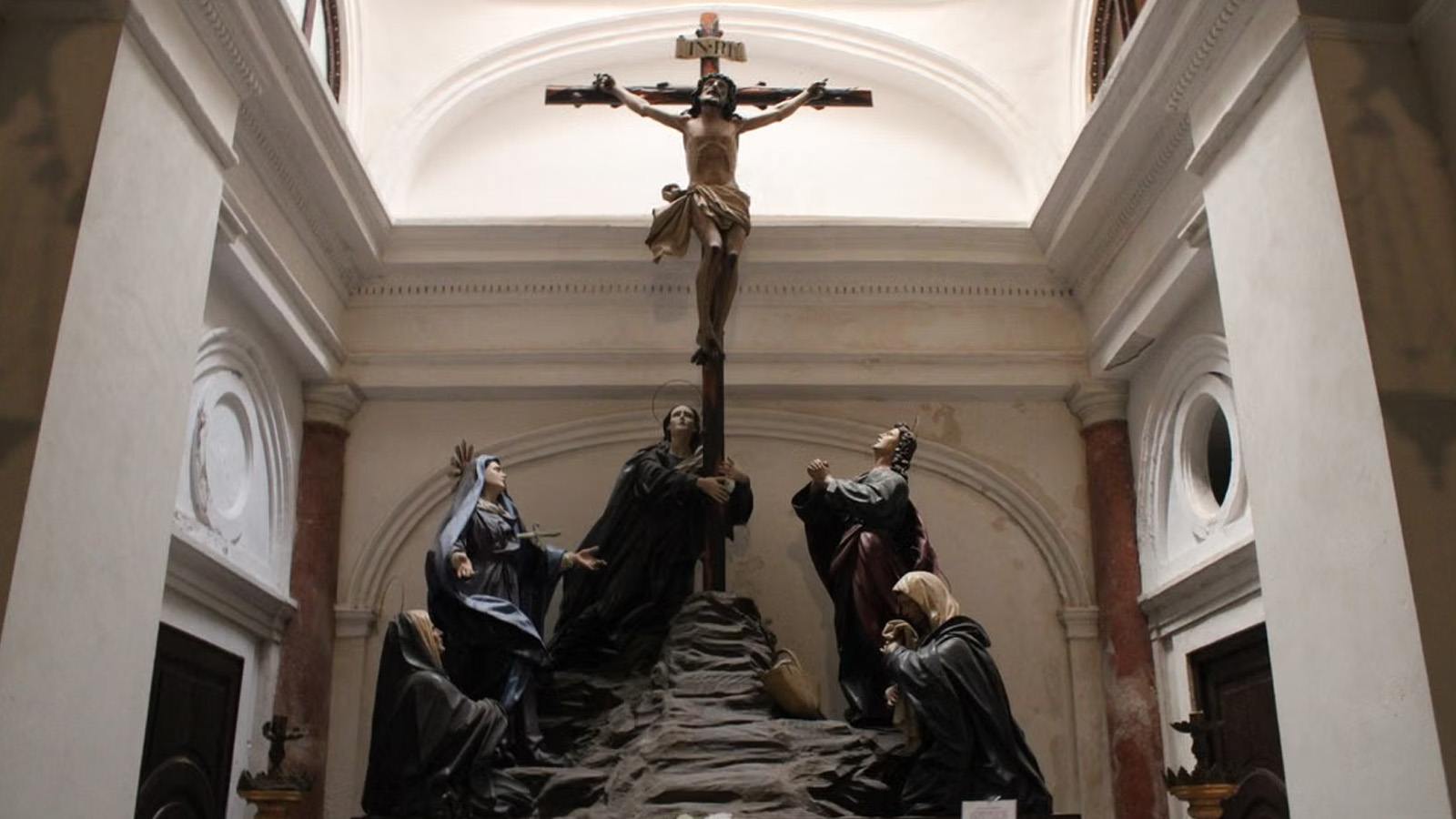
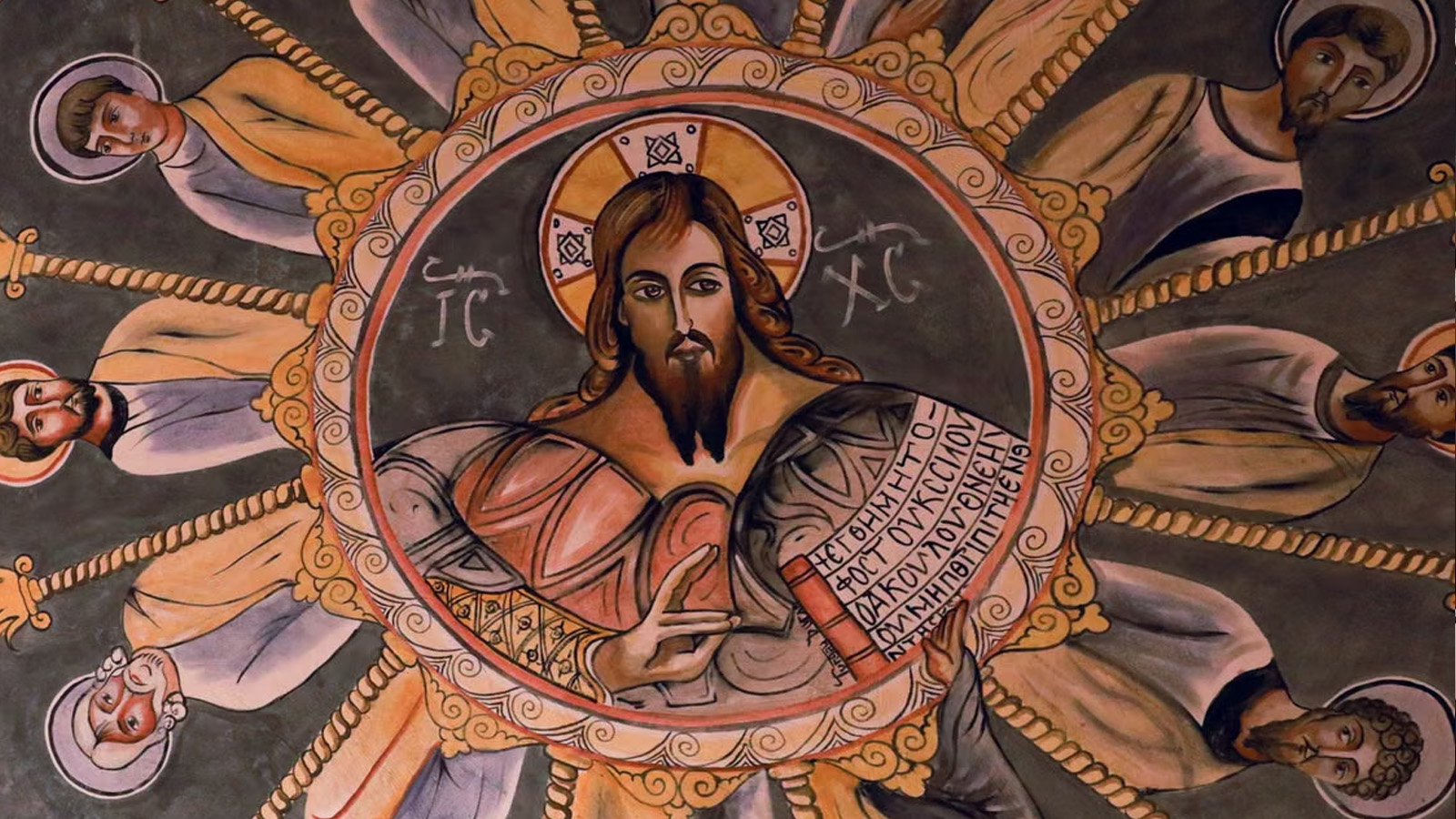
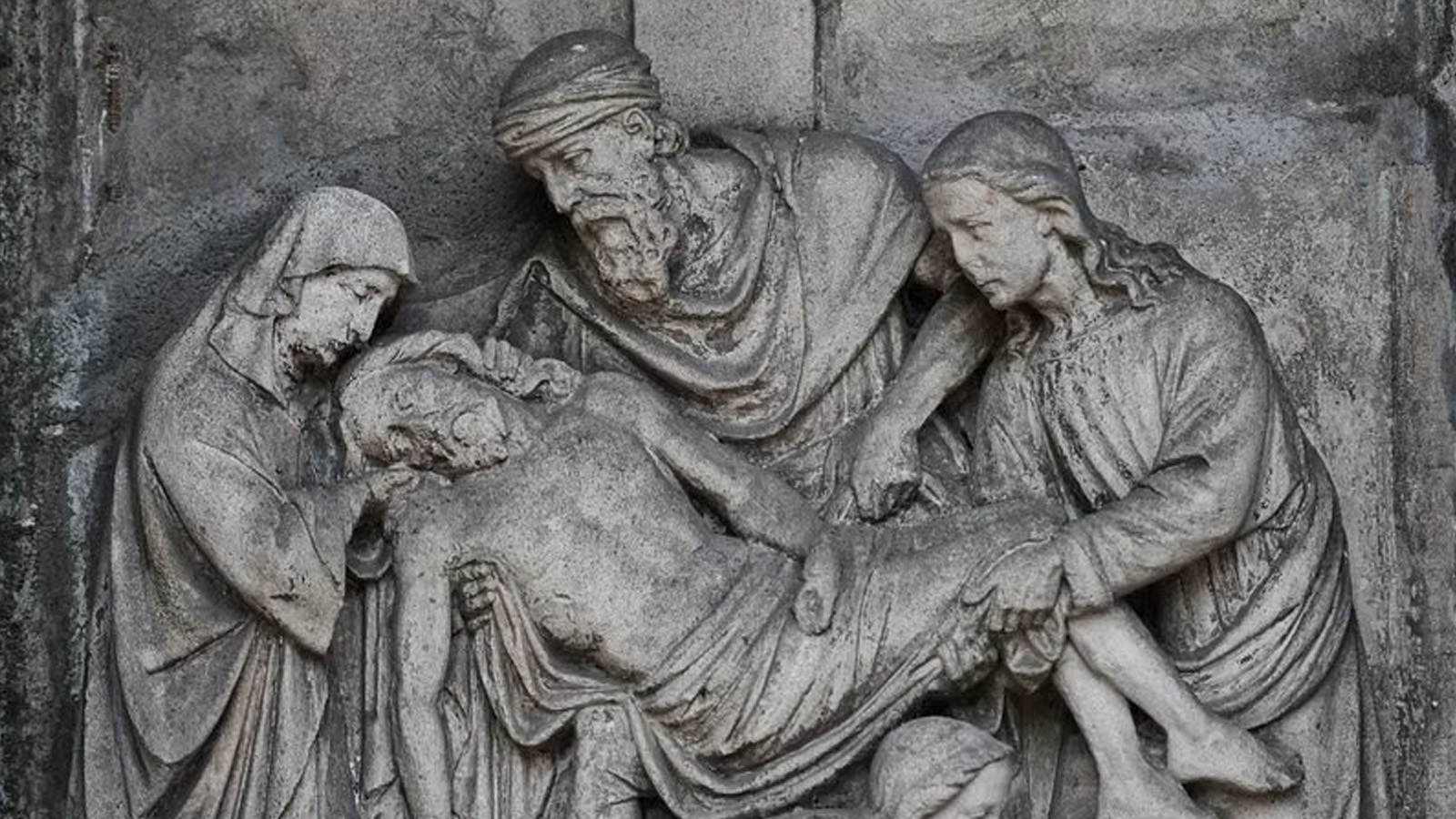
That’s where the next level of investigation begins. The case for Christianity doesn’t come from cosmology, fine-tuning, or biology; it comes from history. It’s rooted in the unique claim of the resurrection. If someone truly rose from the dead, as Jesus of Nazareth did, that fact alone verifies everything He said about Himself—including His claim to be God. Resurrection is the ultimate divine fingerprint.
You don’t have to first prove the existence of God to start there. If someone has risen from the dead using His own power, you’ve already encountered evidence of divinity. But for those who already believe in some kind of higher power—a deistic being who started everything and walked away, or a personal God still active in creation—the next question becomes: Which worldview best explains that God? For Christians, all roads lead to Jesus and the resurrection.

Of course, building this case takes time. It’s like presenting a cumulative criminal case to a jury. You can’t just show two hours of testimony from a six-week trial and expect to understand the verdict. You must immerse yourself in the totality of the evidence before judgment makes sense. The truth about God and Christianity is no different—it’s a robust, cumulative case built layer by layer.
Every so often, I’ll get a message from someone asking me to summarize the “most jaw-dropping archaeological or scientific discovery” that proves Christianity in two sentences because they’re debating an atheist. It’s an understandable impulse—wanting the silver bullet—but truth doesn’t work that way. There are no shortcuts in investigations that matter. You wouldn’t solve a homicide with a single clue, and you can’t validate the Christian worldview with a tweet. If you’re serious about truth, you have to examine the entire case.
In a world of short attention spans and quick takes, we crave instant answers. But the truth about God and Jesus Christ isn’t something discovered in sound bites. It’s something uncovered through patient investigation, careful reasoning, and honest reflection. If you truly want to know whether Christianity is true, be willing to take the time to examine all the evidence. God’s fingerprints are everywhere—for those willing to step outside the room and look.
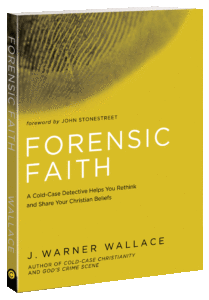 For more information about the nature of Biblical faith and a strategy for communicating the truth of Christianity, please read Forensic Faith: A Homicide Detective Makes the Case for a More Reasonable, Evidential Christian Faith. This book teaches readers four reasonable, evidential characteristics of Christianity and provides a strategy for sharing Christianity with others. The book is accompanied by an eight-session Forensic Faith DVD Set (and Participant’s Guide) to help individuals or small groups examine the evidence and make the case.