












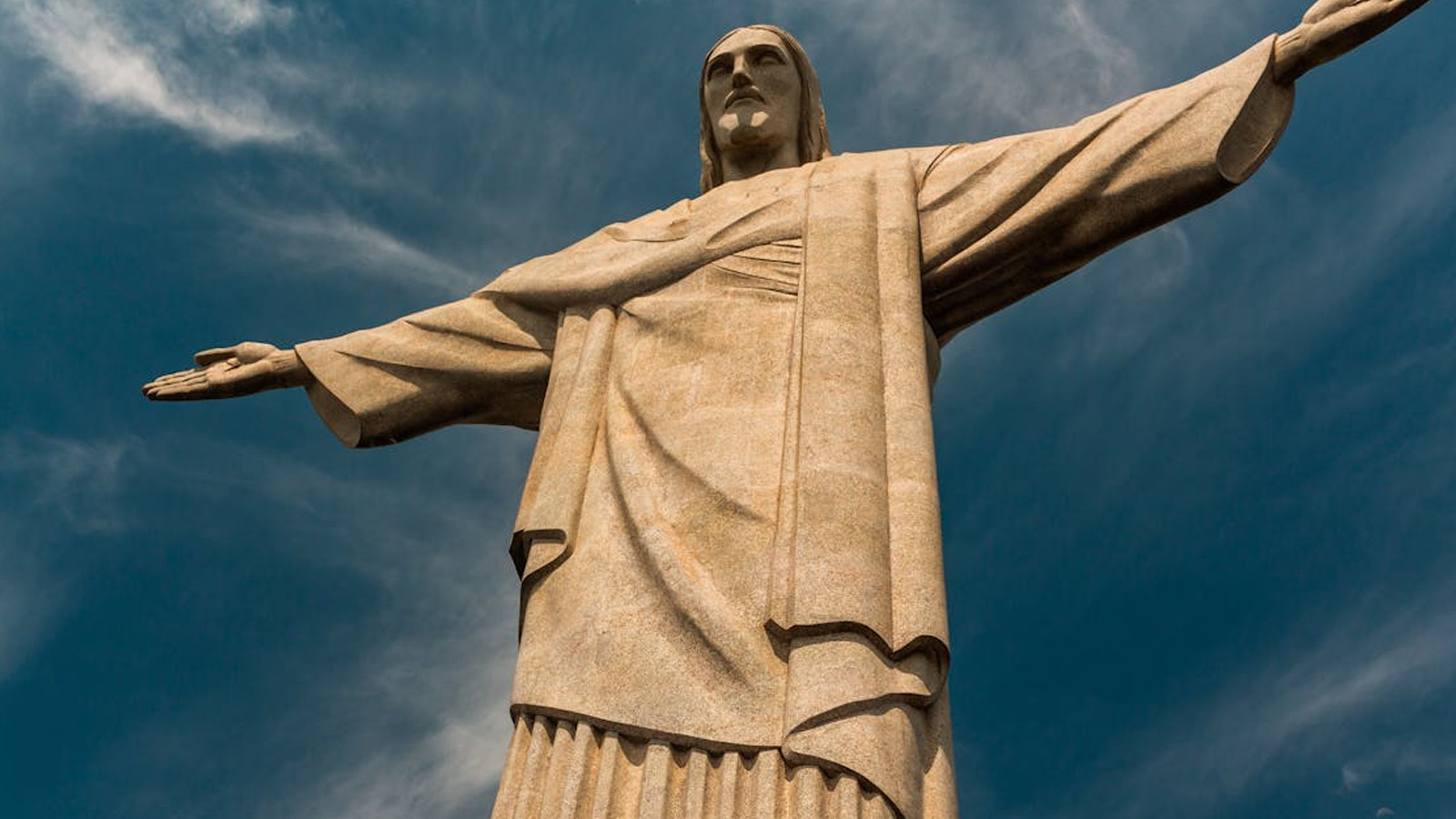





The significance of the first century is unmistakable, whether you approach it as a believer or, like I did for many years, as a skeptic and an atheist. Even as someone deeply invested in logic and evidence, I found myself drawn repeatedly to this pivotal slice of history. There’s something singular about the way we frame our calendars—the dividing line between what came before and what followed is anchored in the first century, but why? Why does this particular stretch of time get crowned “the first”?
As a former detective, my instincts push me to ask not just what happened, but when. In criminal investigations, timing is just as critical as location: the time of a crime narrows the field of possible suspects by exposing their methods and opportunities. This red zoning idea—mapping the overlap that exposes the perfect window of opportunity—is foundational not just in criminal justice but in history itself. Apply this method to the life of Jesus and suddenly the first century starts to look like the most critical red zone in all of human history. Apply this method to the life of Jesus and suddenly the first century starts to look like the most critical red zone in all of human history. Share on X
Scripture tells us Jesus arrived “in the fullness of time,” a phrase Paul uses in Ephesians. But what does that mean? As a skeptic, I wanted evidence, not platitudes, so I dug into the strands of history converging on this era. Three strands, in particular, stand out: spiritual expectations, technological infrastructure, and prophetic timeline.
First, there’s the spiritual climate. In Jesus’s era, the world was awash in myths. Paul, in Acts 17, confronts the pantheon of gods that populated ancient cultures. Across these civilizations, I discovered patterns—about fifteen common mythological themes that reflect mankind’s perennial hopes and fears. While each myth captured only a shadow of reality, Jesus fulfilled every expectation more completely than anyone before or since. To reach the ancient world at its point of deepest spiritual expectation, timing mattered—a time when the majority still worshiped these mythical substitutes, but longed for something more. That window was fast approaching its close as the common era dawned.
Second, the infrastructure of the Roman Empire presents another crucial strand. The era of the Pax Romana—the Roman Peace—gave rise to unparalleled stability, interconnected roads, widespread use of Koine Greek, and technological advances like papyrus and the Etruscan alphabet. These developments weren’t accidental; they provided the perfect vehicle for the rapid spread of information. The roads that enabled Paul’s missionary journeys were laid just generations before. Overlay this timeline onto the spiritual red zone and the window narrows even further.
The third strand comes from prophecy—specifically Daniel chapter nine. Daniel pointed to a specific period between the decree to restore Jerusalem and the destruction of the temple in 70 AD. History lets us date these events. The overlap shrinks our red zone to a remarkable 100-year stretch—from around 29 BC to 70 AD. Jesus’s ministry falls directly in the heart of these 33 years, not by chance but by design. The convergence of spiritual longing, technological progress, and a prophetic countdown creates a narrow band in which the impact of Jesus would be maximized and authenticated for all time.

When you examine these strands, guided by investigative principles, you see that the emergence of Jesus in the first century isn’t mere happenstance—it’s the outcome of historical, prophetic, and spiritual forces all “red-zoned” into a singular opportunity. Christianity didn’t just spring up by accident; it exploded because the conditions were perfectly tuned for its message to not only be heard but to change the world. The genius of God’s timing is evident in how the Holy Spirit orchestrated history so that Jesus would arrive “in the fullness of time,” a moment when every expectation was met and every path laid to broadcast the gospel to the ends of the earth. This is why the first century isn’t just important—it’s essential to understanding the why behind the greatest story ever told.
 For more information about the impact Jesus and His followers had on science, read Person of Interest: Why Jesus Still Matters in a World That Rejects the Bible. This unique and innovative book makes a case for the historicity and Deity of Jesus from history alone, without relying on the New Testament manuscripts. It contains over 400 illustrations and is accompanied by a ten-session Person of Interest DVD Set (and Investigator’s Guide) to help individuals or small groups examine the evidence and make the case.