










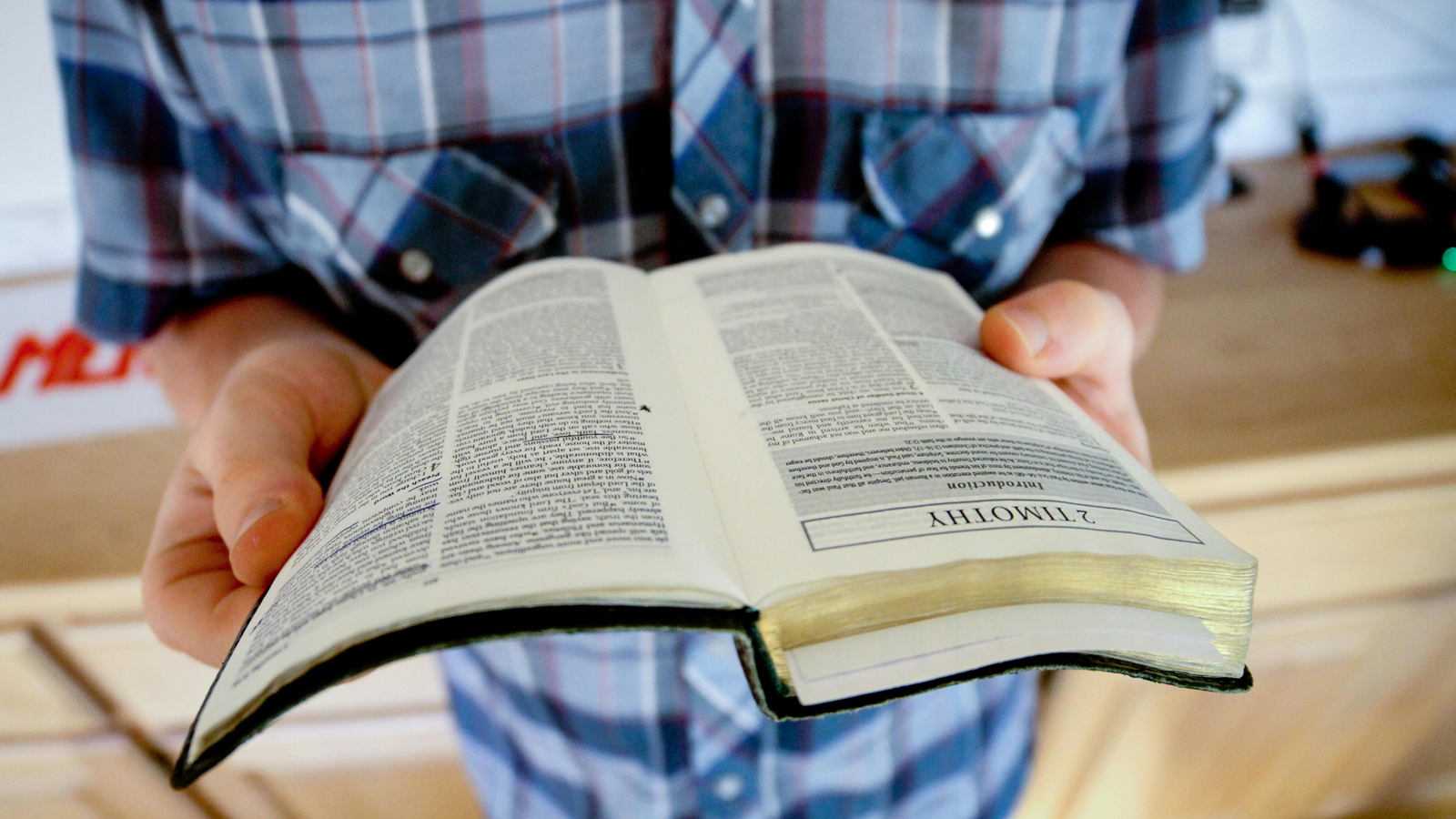







Christians often find themselves confronted by a popular misconception: that we should never judge others. I frequently hear variations of this sentiment—“Don’t judge me,” or “We shouldn’t judge others”—passed around both within and outside the Christian community. But having come to faith as an adult, not having grown up in the church, it quickly became apparent to me that this idea stems more from cultural cliché than biblical truth. Encountering “Christianese” for the first time was like learning a different language, and it didn’t take long to realize that some sayings, though catchy and convenient, actually run contrary to sound Christian reasoning and practice.
There’s something fundamentally self-refuting about the claim that Christians shouldn’t ever judge. If someone tells you not to judge, they’re essentially passing a judgment on your approach or your beliefs—they’re “judging” that your posture is wrong. This creates a logical paradox, revealing the flaw at the heart of the stance. Beyond logical issues, there’s scant biblical support for the idea that Jesus denied making judgments about ideas or actions. Throughout His ministry, He continually confronted and corrected false beliefs, using pointed language such as “whitewashed tombs” and exposing corrupt teaching for what it was. Jesus did not shy away from making moral and theological judgments, but He coupled those assertions with a profound love for people themselves. There’s something fundamentally self-refuting about the claim that Christians shouldn’t ever judge. Share on X
This distinction becomes the focal point. Christians are called to hate evil and reject harmful ideas, but never to hate those who hold such ideas. Ideas matter; they shape lives and societies, and there are beliefs we should hope our children and our communities reject for their destructive nature. That means there is genuine value—and responsibility—in scrutinizing, challenging, and “judging” ideas in light of biblical truth. At the same time, it is essential to treat people with respect and compassion. The beauty of Christian apologetics and outreach is found in marrying truth claims to genuine relationship. Only through relational equity—by earning trust and demonstrating care—can believers hope to influence others. Loving people is the prerequisite for effective persuasion.
If Christians simply embrace the idea that “we ought not judge,” the result is a kind of paralysis. We become tongue-tied, hesitant to speak truth to error for fear of stepping over an imaginary line. Culture likes to reinforce this cliché because it silences uncomfortable dialogue and prevents transformative conversations. If Christians are forbidden from assessing the accuracy of another’s beliefs, sharing biblical truth becomes impossible. We lose the necessary starting point to help guide others toward what’s true and good.
Navigating the tension between truth and love is the real art of Christian engagement. To judge ideas as either healthy or harmful is not only reasonable, but central to the message and mission of Jesus. However, judging people—condemning them, dismissing them, or growing hateful toward them—runs entirely contrary to the heart of Christian faith. In interacting with those whose beliefs differ or even oppose our own, our task is to demonstrate care and pursue relationship, trusting that only in the context of that relationship does our witness gain traction.
So let’s move beyond the paralyzing cliché. If we truly hope to speak truth into a broken world, we must be willing to “judge” ideas honestly, while loving people relentlessly. That is precisely the blend that Jesus modeled and the approach that will yield lasting impact in lives and communities. Let us step forward, confident and caring, committed to both truth and grace in everything we say and do.

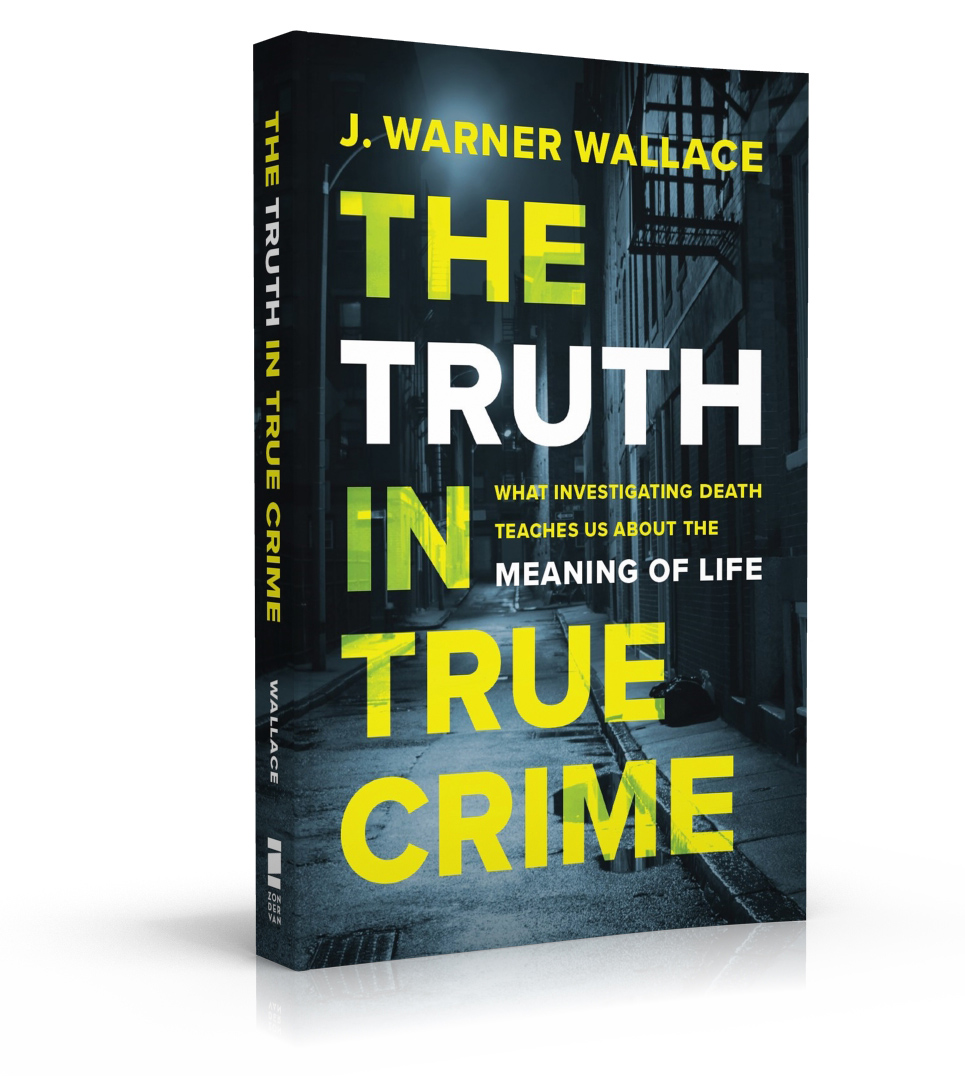 For more information about how to flourish based on secular research and the ancient wisdom of the bible, please read The Truth in True Crime; What Investigating Death Teaches Us About the Meaning of Life. This book teaches readers 15 rues for life, recognized in murder investigations. It also makes a case for the reliability of the Bible from Biblical anthropology. The book is accompanied by a sixteen-session Truth in True Crime Video Series (and Participant’s Guide) to help individuals or small groups examine the evidence and make the case.







Doug Lynn
March 16, 2026 at 2:27 pm
True love of others requires us to tell them the truth. After we have repented of our own similar or worse sins, we should then correct and rebuke our brothers and sisters in Christ in a God honoring way.
Sometimes the truth people need is hear is that the Bible calls their behavior sin. Even the apostles corrected each other when needed.
However, we should not cast our pearls before swine just as Jesus refused to be trapped in answering questions that did not serve his purposes.