
Faith and Belief
When it comes to doubt, not all questions are created equal. In this conversation, Eric Hovind and Marianne Pike sit down with cold-case detective...
Hi, what are you looking for?


A Cold Case Detective Tried To Break the Gospels… and Got Stuck With Jesus (Video)

If Jesus Was Just a Man… Explain This (Video)
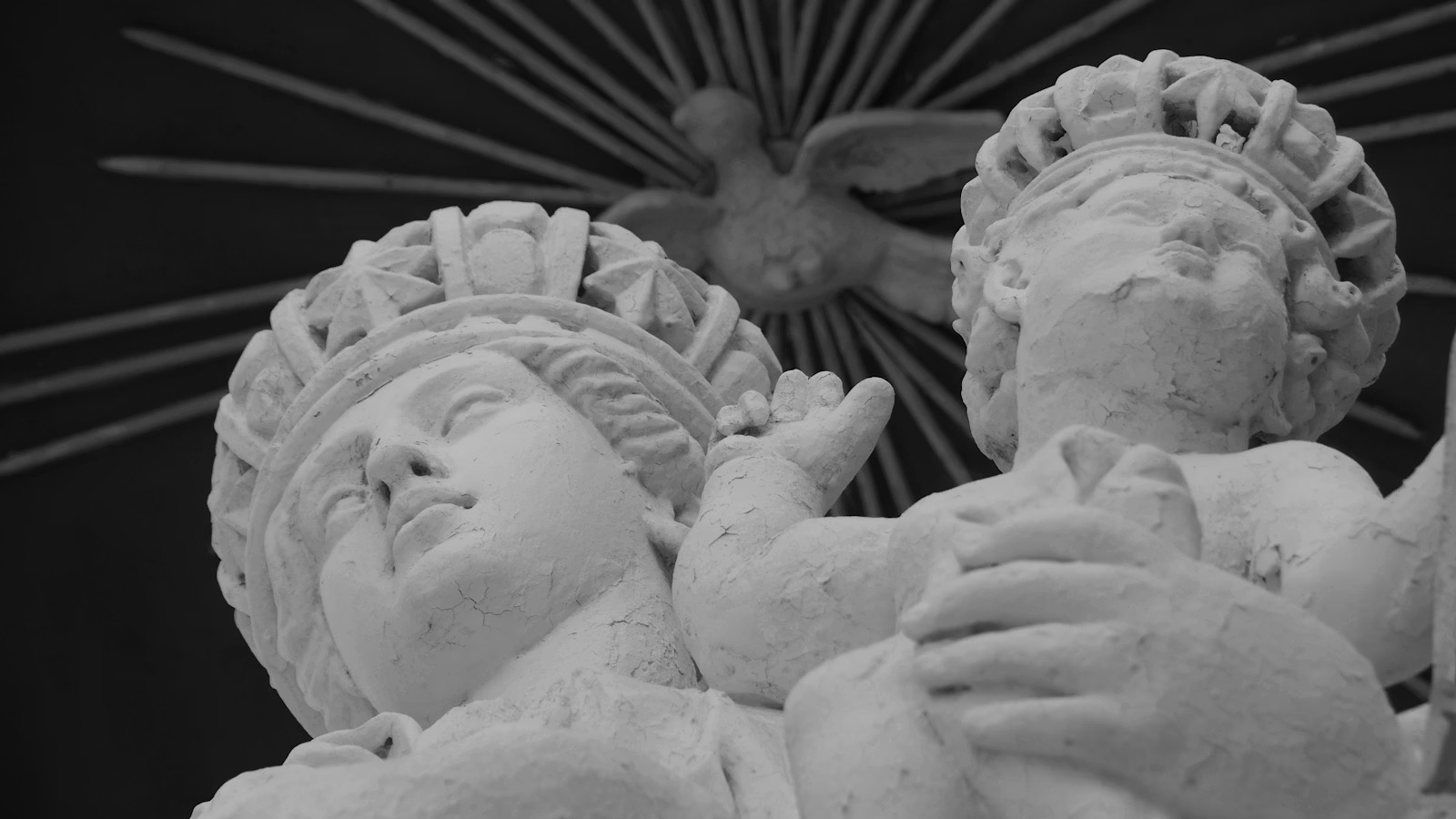
Did Christians Invent the Virgin Birth? A Detective Investigates the Evidence (Video)

Cold Case Detective DESTROYS “Bible Is a Myth” Objection in 20 Minutes (Video)

If You Think You Don’t Worship, Watch This! (Video)

Why Jesus Changed the Way We Pray (Podcast)
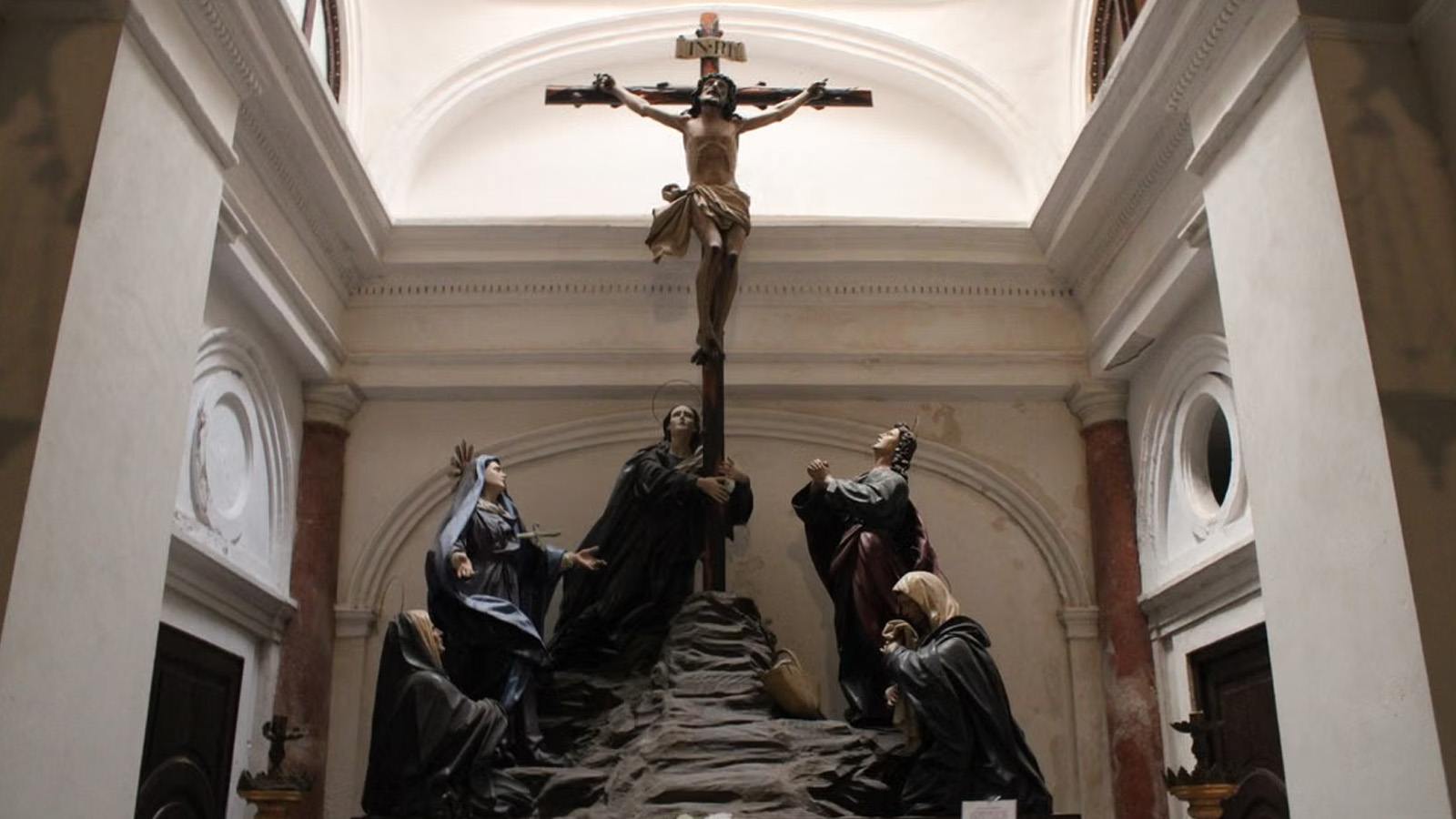
The Cross as a Crime Scene: Building the Penal Substitution Case from the Gospels (Podcast)
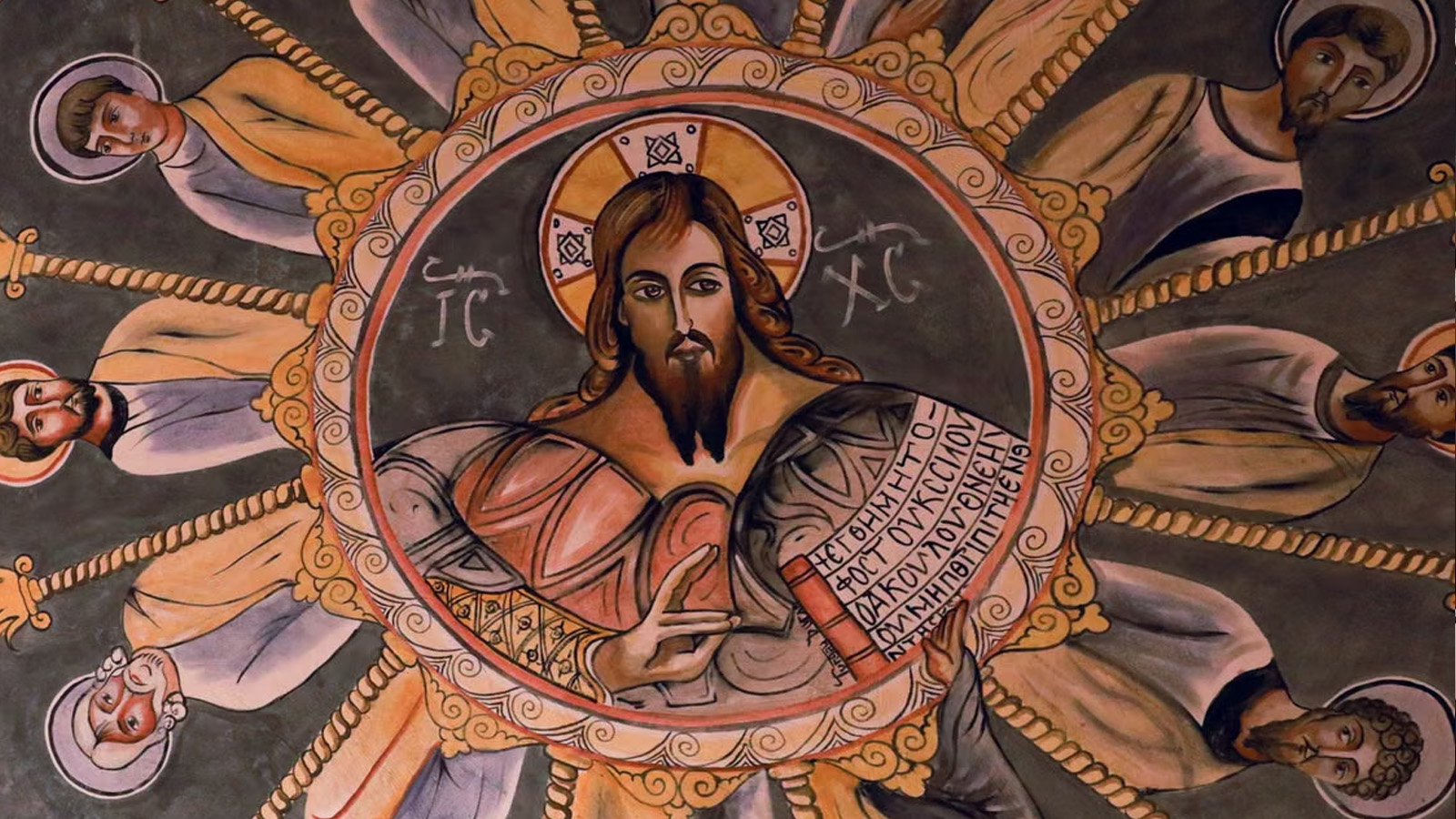
The Hidden Family Tree of Jesus’ Disciples: Were More of the Twelve Brothers Than We Realize? (Podcast)
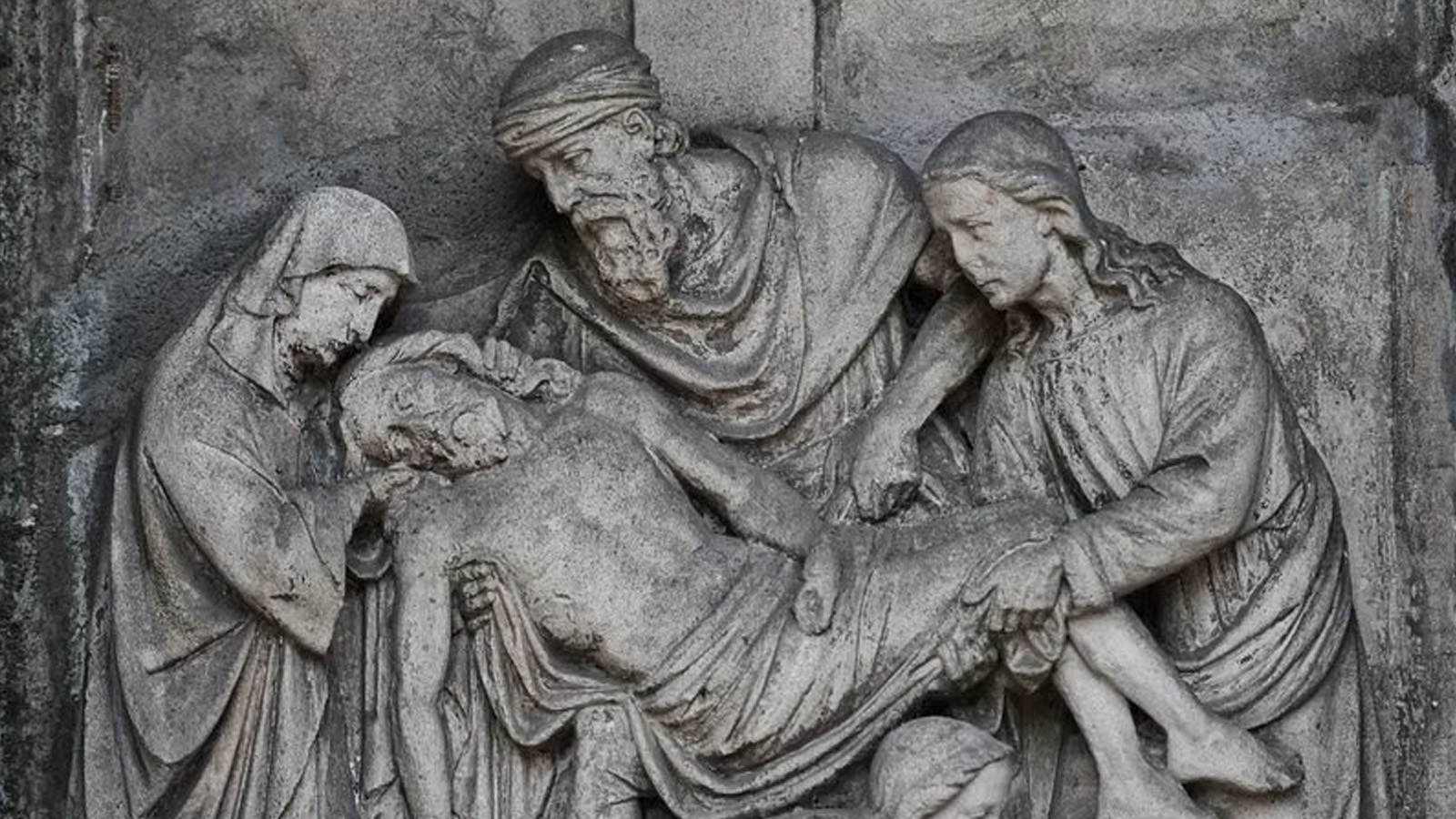
Were Nicodemus and Joseph of Arimathea Actually Saved? The Shocking Truth Behind Jesus’ Burial (Podcast)
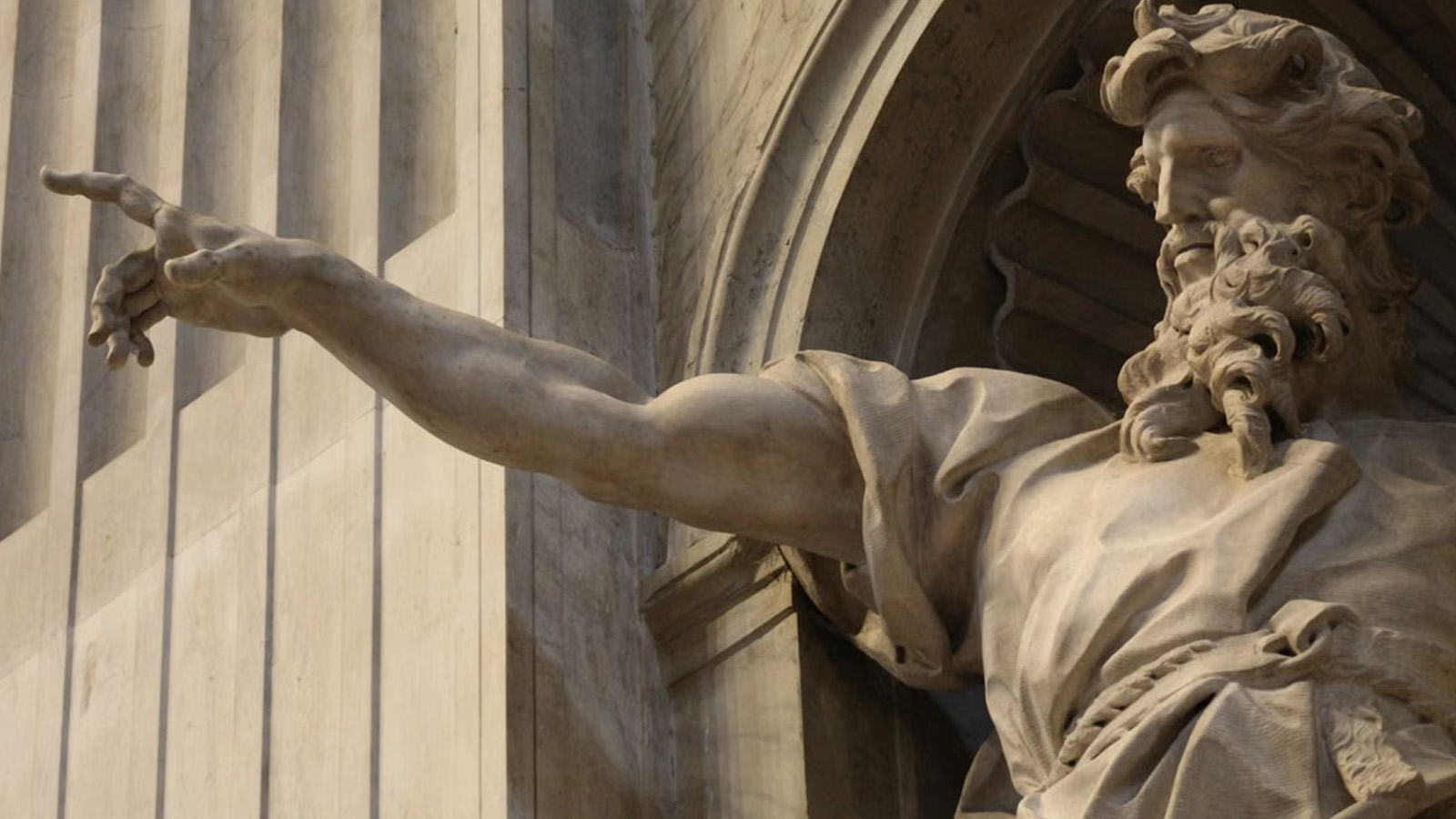
The Hidden Moses Code in the Gospels: What Most Readers Miss About Jesus (Podcast)
This video explores how a cold-case detective reads the Gospels the same way he reads suspect and witness statements—and why that process left him...
This video explores why the life of Jesus of Nazareth is historically impossible to ignore—and why it is so hard to explain His impact...
This video tackles a common skeptic claim head-on: that Christians “added” the virgin birth of Jesus long after the fact. In this conversation, cold-case...
Can smart people really trust the Gospels—and stake their lives on Jesus? In this powerful TV interview, cold-case homicide detective and Christian apologist J....
When it comes to doubt, not all questions are created equal. In this conversation, Eric Hovind and Marianne Pike sit down with cold-case detective...

When it comes to passing on the faith, good intentions are not enough. In this conversation on Pastors Perspective, J. Warner Wallace shares how...

In this short video, cold-case detective and Christian apologist J. Warner Wallace explains why many believers are “Christians by accident” and how to move...

When a cold-case detective and a Christian apologist sit down together, the conversation goes far beyond crime scenes and case files. In this episode,...

This video explores how real homicide investigations can reveal deep truths about life, identity, morality, and our need for hope beyond the grave. Drawing...

This video unpacks why it actually makes sense that we can’t understand everything about God—and why that’s not a bug in the Christian worldview,...
A cold-case detective and a comedian sit down together to talk about God, evidence, and why the universe looks more like a crime scene...
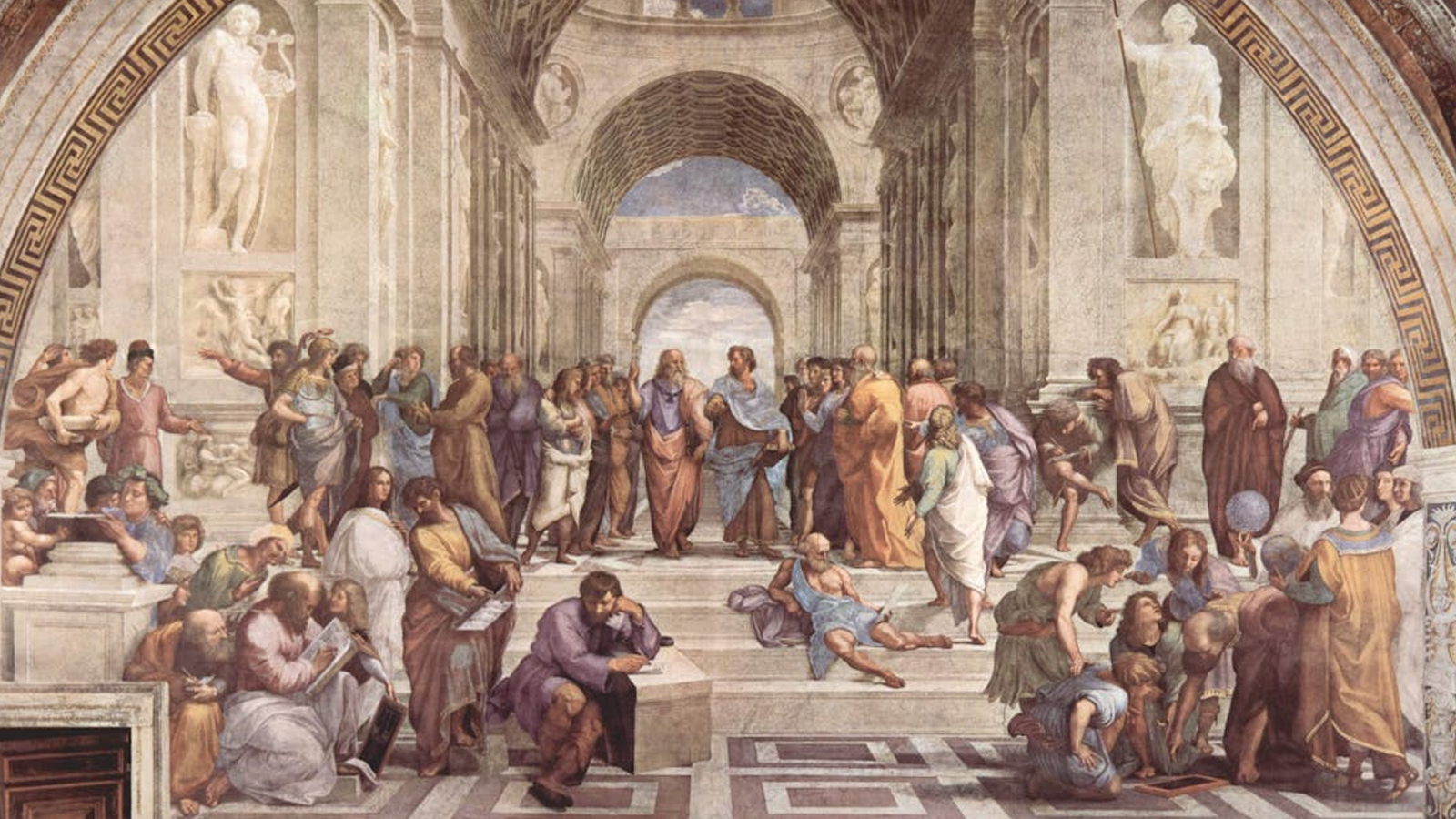
J. Warner reviews evidence from ancient non-Christian historians and sources—including Thallus, Tacitus, Mara bar Serapion, Phlegon, and Pliny the Younger—that confirm the historical existence,...
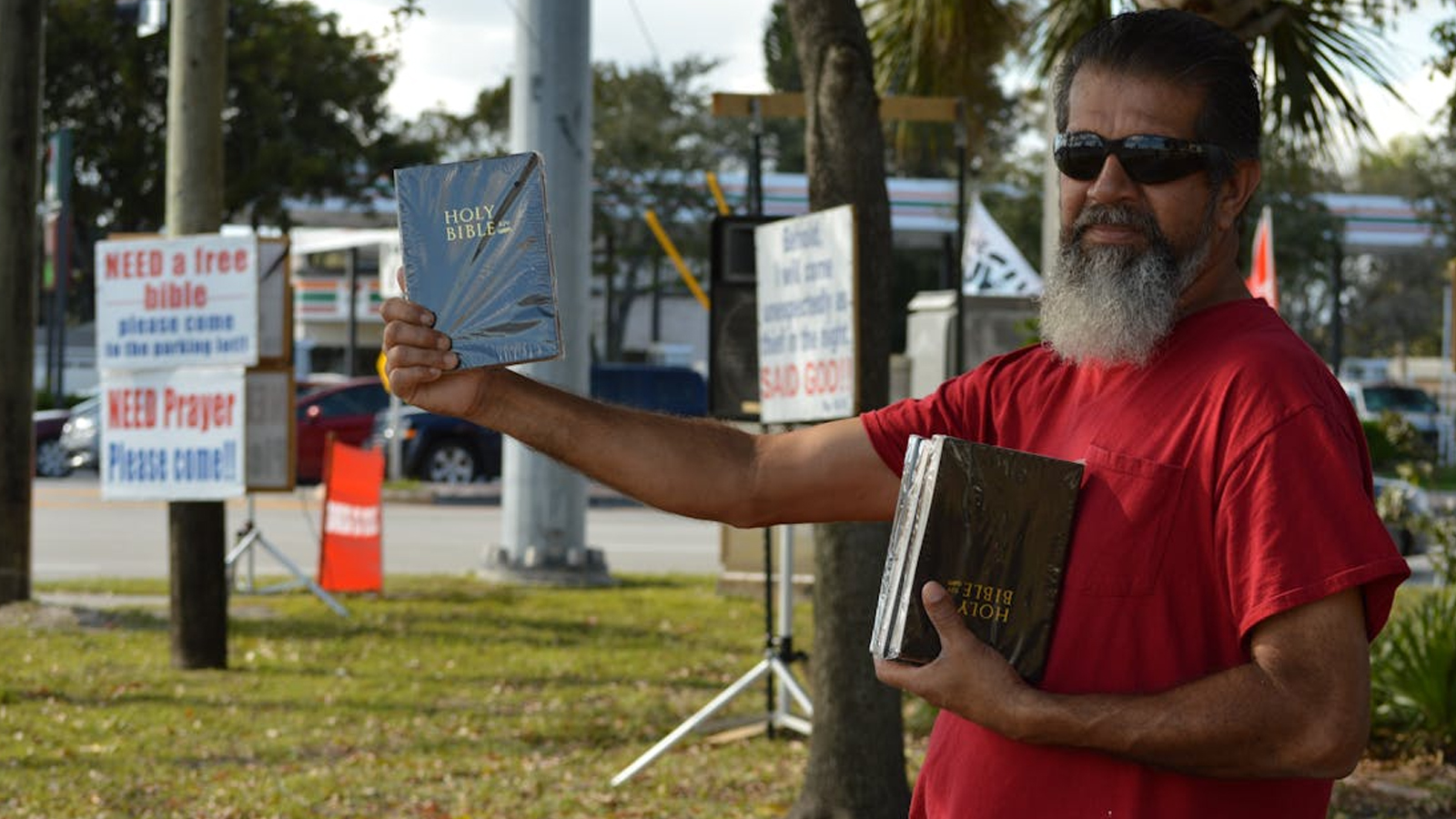
J. Warner unveils the most overlooked step in sharing the gospel: carefully identifying who is open to hearing the case for Christianity, much like...
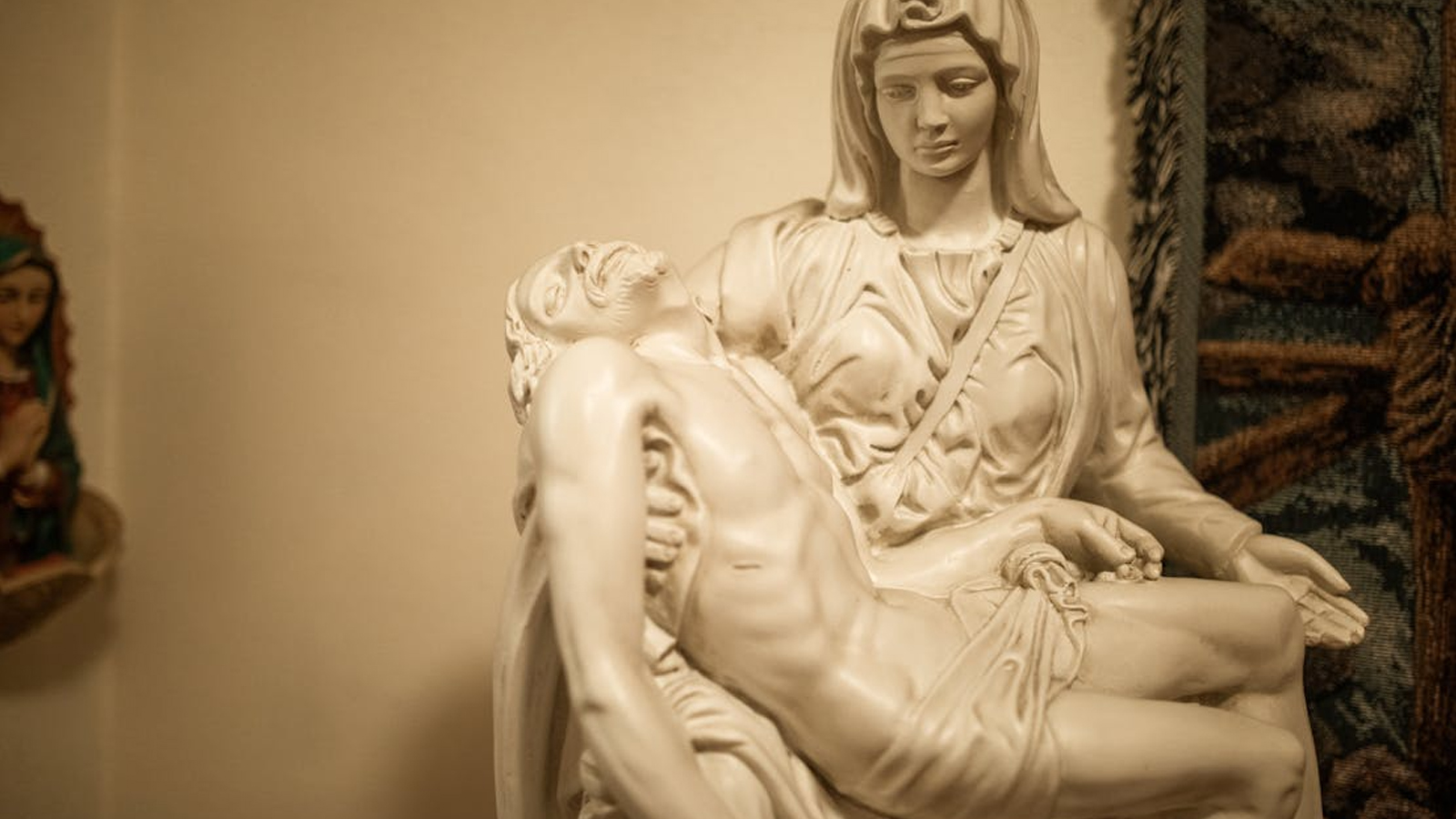
J. Warner investigates whether Jesus was simply copied from ancient mythologies or is himself just a myth, demonstrating that the gospel accounts are rooted...